Imaginile sunt ideale pentru articole și îndeamnă cititorii să le deschidă. Prima imagine din articol va fi folosită pentru a-l reprezenta, astfel că aceasta joacă un rol crucial și poate mări atractivitatea articolului.
Every day, millions of young people scroll through social media feeds, watch videos, read online articles, and communicate through digital platforms. While technology has created unprecedented opportunities for learning and connection, it has also introduced new challenges. False information spreads rapidly, manipulated content can appear convincing, and algorithms often shape what users see without them even realizing it.
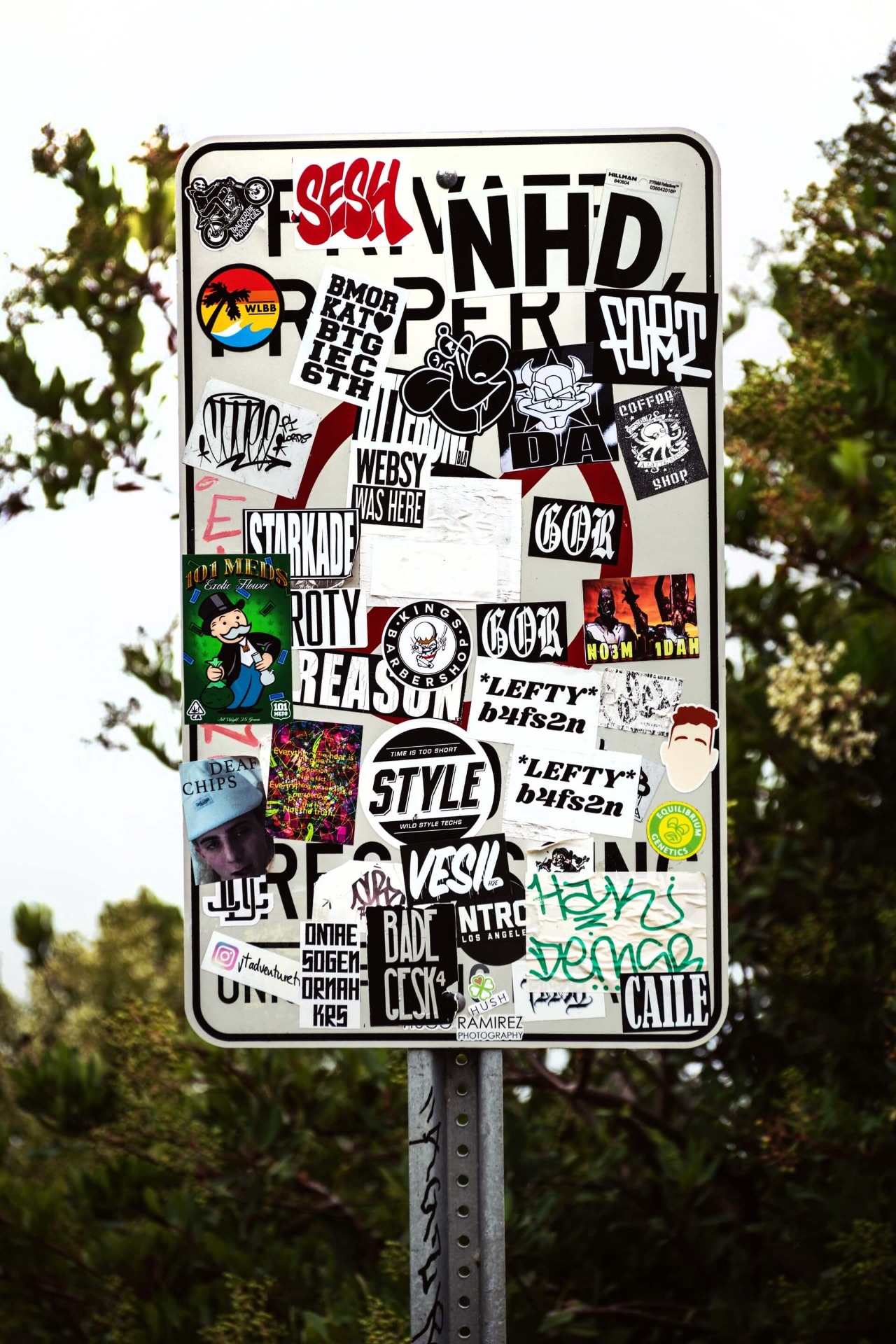
In this complex digital environment, media literacy has become one of the most important skills of the 21st century.
Media literacy is much more than the ability to identify fake news. It is the capacity to access, analyze, evaluate, create, and share information responsibly. A media-literate person can question sources, recognize bias, distinguish facts from opinions, and make informed decisions based on reliable evidence.
For young people, these skills are particularly important. Students today are growing up in a world where information is available instantly, but accuracy is not always guaranteed. Without critical thinking skills, they can become vulnerable to misinformation, online manipulation, stereotypes, and harmful digital trends. Media literacy empowers them to become active participants in society rather than passive consumers of content.
Schools play a crucial role in developing these competencies. Through collaborative projects, debates, workshops, and digital content creation activities, students learn not only how media works but also how they can contribute positively to the digital world. By creating podcasts, videos, articles, or social media campaigns, learners gain practical experience while understanding the ethical responsibilities that come with publishing information.
International cooperation further strengthens this process. When students from different countries work together, they are exposed to diverse perspectives, cultures, and experiences. They learn that media messages can be interpreted differently depending on social and cultural contexts. This global perspective encourages tolerance, open-mindedness, and respect for diversity.
Another important aspect of media literacy is digital well-being. Constant exposure to online content can affect concentration, self-esteem, and mental health. Learning how to manage screen time, evaluate online influences, and maintain a healthy relationship with technology is becoming increasingly important for students of all ages.
The future belongs to informed, responsible, and critical thinkers. As technology continues to evolve, the ability to navigate digital spaces safely and effectively will remain essential. By investing in media literacy education today, schools are helping to build a generation capable of defending truth, promoting democratic values, and contributing positively to society.
Media literacy is not simply an educational topic—it is a life skill. And in a world overflowing with information, it may be one of the most valuable skills we can offer young people.
Author Daniela Bobocea